January 13th, 2017
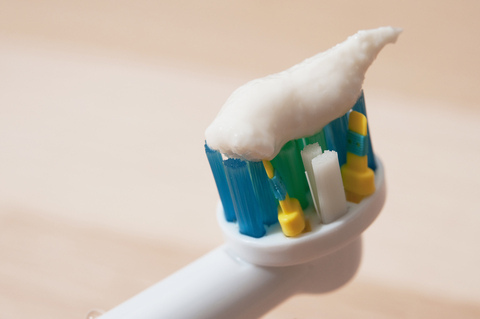
Our team at Downey Orthodontics knows that there are many ways you can protect your pearly whites throughout your orthodontic treatment. If you follow the rules and brush your teeth twice a day, floss often, and protect your appliances from damage, you should have a successful treatment.
But did you know there’s another way to keep your teeth sparkling and healthy during your time wearing braces?
Fluoride, the mineral that helps you prevent cavities and tooth decay, can also help keep your teeth strong. Fluoride comes in two varieties: topical and systemic. Depending on your oral health or the recommendation of Dr. Nathan Downey, you may be required to have a fluoride treatment every three, six, or 12 months. We may also prescribe a fluoride product such as a mouthwash, gel, or antibacterial rinse for at-home treatment to keep your teeth happy in between visits.
If you have any other questions about fluoride or your treatment, please don’t hesitate to give us a call!
January 6th, 2017

Teeth erupt crookedly for a number of reasons that range from genetics to mouth deformities and serious oral diseases. When extra teeth or abnormally large teeth create a malocclusion (crookedness or misplacement of teeth), the culprit is usually genetic in nature. Other inherited traits involve jaws that are too small to accommodate a full set of teeth and misaligned jaws that did not form properly in the womb.
Can crooked teeth be prevented?
In most cases, underbites, overbites, and crooked teeth are genetically derived and can’t be avoided. Orthodontic treatment with braces will be necessary to correct the condition once the child is old enough to wear them. However, certain early childhood behaviors may also contribute to the development of crooked teeth that can be avoided. These include:
- Thumb sucking and tongue thrusting
- Losing baby teeth to decay before permanent teeth have naturally pushed them out of their sockets
- Allowing pacifier use to continue after front teeth have erupted
Permanent teeth underneath baby teeth are directly affected by the health of baby teeth. If baby teeth are prematurely lost due to decay or trauma, permanent teeth will shift when they start moving upward. Baby teeth are like anchors for permanent teeth that help guide them as they erupt through the gums.
In addition, excellent care of baby teeth is vital to having healthy permanent teeth free of discoloration or decay. Harmful oral bacteria can spread into the gums and reach permanent teeth still buried in the gums. Once attached to a tooth’s enamel, bacteria will begin eroding the tooth even before it has a chance to take its first bite!
When to Start Orthodontic Treatment for Crooked Teeth
Dr. Nathan Downey and our staff suggest that parents bring your child to Downey Orthodontics around age seven to rule out potential issues with permanent teeth eruption. If problems are discovered, it is not unusual to begin orthodontic treatment at that age. In fact, specific conditions such as crowding and gaps between teeth are easier to correct at an early age.
Early treatment also benefits from the growth process of the jaw, which helps move teeth to normal positions.
December 30th, 2016

People have been ushering in the New Year for centuries but it became an official holiday in 1582 when Pope George XIII declared January 1st to be the day on which everyone would celebrate the New Year. At midnight people would yell, holler, and blow horns to scare away the evil spirits of the previous year so the New Year would be joyous and filled with opportunity. Nearly 500 years later, we still greet the New Year by whooping and hollering, but in a celebratory manner instead. Whether you intend to ring in the New Year quietly at home in the Bowling Green, OH area or have plans to join the countdown at a gala extravaganza, these tips can help you ring out the old and usher in the new with a smile.
Tips for a Happy New Year's Eve Celebration from Downey Orthodontics
- Be Safe. There's no way to predict the behavior of others on New Year's Eve, but you can be responsible for your own behavior to keep yourself safe. If adult beverages will be part of your celebration, plan on spending the night wherever you are or line up a designated driver to bring you home after the party is over.
- Enjoy Family and Friends. Spending time with the important people in your life is what makes the holidays enjoyable. Coordinate your schedules and choose New Year's Eve activities that everyone in the group will enjoy. You don't have to go to a party to ring in the New Year; some people like to go bowling, see a movie, or have a great meal at home.
- Accessorize with a Smile. Whether you dress up or have a quiet dinner with family and friends, one of the best accessories you can add to your attire is a beautiful smile.
New Year's Eve is a time to gather with friends and family, reflect on the year that's coming to an end, and look forward to the new one with anticipation. Enjoy this transitional holiday in a way that's safe, healthy, and fun. After all, counting down until the clock strikes 12 marks the beginning of a full year of opportunity ahead of you. From Dr. Nathan Downey, have a great new year!.
December 23rd, 2016
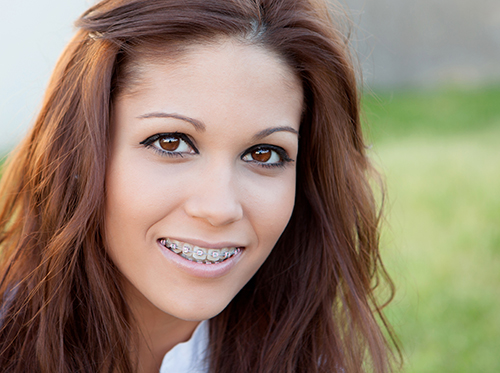
Clear aligners like Invisalign® have become increasingly popular over the past several years and rightly so. They’re removable, easier to clean than braces, and hardly anyone knows you're wearing them. They are great in treating many cases, but they aren't for everyone.
Below, Dr. Nathan Downey and our team cover some of the instances where clear aligners just aren't the answer:
- If drastic tooth movement is required – Fixed appliances deliver much more significant tooth movement. So if your case is a drastic one, clear aligners may not be the best choice.
- If you need to move molars – Molars have much stronger roots than your other teeth and would require significantly longer to move with clear aligners. A fixed appliance is the best choice in this instance, especially if you have a substantial overbite or underbite that needs to be dealt with.
- If you're the type who often forgets or loses things –If you would forget to wear your aligners for the prescribed amount of time (usually at least 22 hours per day), clear aligners are probably not the best choice for you. Forgetting to wear them can delay treatment and even make it so you need to regress to the previous set of aligners to be able to move forward with treatment. And let's face it, if you're not careful, removable aligners are easy to lose. Losing aligners delays treatment and is expensive since you need to buy replacements to stay on course. Replacing a lost set of aligners usually takes between seven and ten days—a definite setback in treatment.
- If you're looking for the fastest treatment possible – Clear aligners usually can't move teeth as quickly as fixed appliances. So if you're looking for the fastest way to achieve your desired result, clear aligners may not be the best bet.
Feel free to talk with Dr. Nathan Downey about your options regarding braces and clear aligners. We know there are pros and cons to both, so let’s find the option that works best in your life and for your specific needs in terms of treatment. Schedule an appointment at our Bowling Green, OH office today!


 Website Powered by Sesame 24-7™