March 18th, 2016

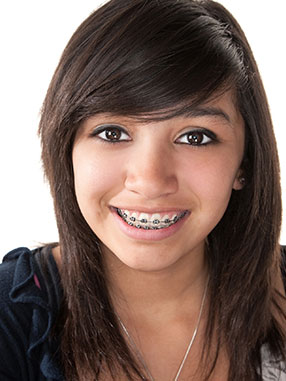
Straighter teeth is something many people desire. A nice smile is one of the most attractive things about a person. However, wearing a mouth full of braces for two, three, or more years can be a major pain, both literally and figuratively.
Luckily, there is another option. Invisalign is an alternative to traditional braces. Learn more about the benefits Invisalign offers and why you should consider this exciting method of straightening teeth.
- When you have straight teeth, your mouth is healthier in general and there is less chance of tooth decay and gum disease. Invisalign makes it possible for more people to straighten their teeth.
- Invisalign is essentially invisible. You can straighten your teeth without unsightly metal in your mouth.
- The average cost is similar to that of traditional braces, which makes it affordable for many families.
- With Invisalign, the aligner trays are smooth and comfortable to wear. Traditional metal braces can be uncomfortable and cause irritation to the mouth.
- Invisalign is removable, so you do not have to wear the system during special occasions, or when you’re eating. With normal metal braces, you are stuck with them for the entire straightening process.
- Brushing and flossing are simple. Since the system is removable, you can brush and floss just like normal.
As you can see, Invisalign is an exciting option we provide at Downey Orthodontics for those who want straighter teeth. If this is something that sounds interesting to you, talk to Dr. Nathan Downey and find out if it would work for your particular situation. Get started today, and before you know it you will be enjoying your straighter teeth.
For more information about Invisalign, or to schedule an initial consultation with Dr. Nathan Downey, please give us a call at our convenient Bowling Green, OH office today!
March 11th, 2016

“St. Patrick's Day is an enchanted time -- a day to begin transforming winter's dreams into summer's magic.” Adrienne Cook
Lucky green shamrocks, leprechauns, and pots of gold – it must be St. Patrick’s Day! If you’re not Irish, how do you go about celebrating St. Patrick’s Day? It’s easy: You just put on one of those tall leprechauns hats, dress in green from head to toe, and wear one of those carefree pins that say “Kiss Me, I’m Irish”. On St. Patrick’s Day, everyone is Irish, and that is the universal beauty of the holiday. Celtic pride does not discriminate.
Wondering what our team at Downey Orthodontics is doing to celebrate March 17th? Well, we’ve thought about doing everything from handing out lucky gold coins (you know, the fake ones that are made of chocolate) to shamrock stickers. Maybe we’ll even give away green toothbrushes and floss! You’ll never know unless you come in to see Dr. Nathan Downey !
All kidding aside, St. Patrick’s Day is an important cultural and religious holiday. There are lavish parades and church services across Ireland on March 17th. Over time, however, the holiday has developed into a day to observe Irish culture in general. In places like England and the United States, where there is a large Irish Diaspora, the holiday has greater significance than other countries. From the streets of Boston to St. Patrick’s Cathedral in New York, it is a day of celebration, and many Americans of Irish descent will cook up a traditional meal of corned beef and cabbage.
So, to all of you with Irish ancestry, and to all of you who have decided to be Irish for the day, our office wishes you a Happy St. Patrick’s Day. Good luck looking for a pot of leprechaun gold, which is said to exist at the end of the rainbow. However, keep away from those sugary Lucky Charms; sweet cereals might taste good, but your kids’ teeth might not be feeling too lucky if they eat it for breakfast every day. Have a great St. Paddy’s Day!
March 8th, 2016

Nobody likes a dry mouth. It is an uncomfortable and sometimes oddly unexplainable sensation that most people like to avoid. It is not a condition that automatically sends you into a panic about your health, however, a dry mouth can be a bother and something you certainly want to change if possible. So, if you find yourself in the unpleasant position of having a dry mouth, here is what you can do.
Chew Sugar-free Gum: Chewing sugar-free gum will stimulate saliva in your mouth. The chewing motion of your jaw and teeth should take care of at least some of your dry mouth problem.
Suck on Sugar-free Candy: Similarly to chewing sugar free gum, if you suck on sugar free candy it should create more saliva in your mouth and moisturize it in the process.
Cut out the Caffeine:Caffeine can contribute to a dry mouth so by limiting, or eliminating your intake all together, you may find that your dry mouth is no more.
Stop Using Tobacco Products: Tobacco is another cause of dry mouth. Whether it is smokeless tobacco products or cigarettes, if you stop using them your dry mouth will likely improve. And not to forget, these products are exceedingly bad for your oral health to begin with, so you will be doing your mouth a favor even more so.
Drink Lots of Water: It may seem obvious, but drinking lots of water will likely improve your dry mouth. This is because dry mouth is usually a sign of dehydration, so plenty of fluids will surely help.
Dry mouth can be unpleasant, but it is often easily solved by either drinking more water, or trying one of the previously mentioned techniques. If the problem still persists you can always visit our Bowling Green, OH office to see Dr. Nathan Downey. More often than not, doing one of the above will leave your mouth more moisturized than it was previously, and hopefully it will be long-lasting as well.
March 8th, 2016

Dr. Nathan Downey and our team know it is natural for you to feel some concern when you need to wear any type of dental device to correct a problem with your teeth. Both braces and Invisalign can produce good results in giving you the smile you’ve always wanted. Both methods can straighten your teeth and alleviate such issues as crowding, spacing, cross bite, overbite, and underbite. Both methods of treatment have a similar cost.
You can take a cross-country road trip in a ten-year-old economy car or you can make the trip in a brand-new luxury sedan. Both will get you to your destination, but you will be far more comfortable traveling in the luxury sedan. Similarly, your journey to a great smile is much more comfortable and convenient with Invisalign as opposed to braces.
Comfort
Some of the discomfort you may experience with braces is greatly reduced with Invisalign. Because Invisalign is custom-fit to your mouth and made of plastic, you will feel less pain, irritation, and soreness. Unlike braces, there are no food restrictions; you can eat anything that is on your diet.
Brushing and flossing
Of course you will want to brush and floss your teeth to prevent plaque buildup, tooth discoloration, and dental decay. If you wear braces, these simple tasks can become quite a challenge. Invisalign aligners are very easy to remove and replace, so you can brush or floss like normal without having to work your way around any metallic framework covering your teeth.
Appearance
You do not have to be embarrassed to show your teeth when you are using the Invisalign system. Since the aligners are practically invisible, no one will even notice you are wearing them! Whether you are a teenager or an older adult, you can live your life normally.
If you want to learn more about Invisalign, or are wondering what your treatment options are at Downey Orthodontics, feel free to give us a call at our convenient Bowling Green, OH office!


 Website Powered by Sesame 24-7™