Call Our Office To Schedule

Our Blog

Fall Holiday Guide for Braces

October 5th, 2018

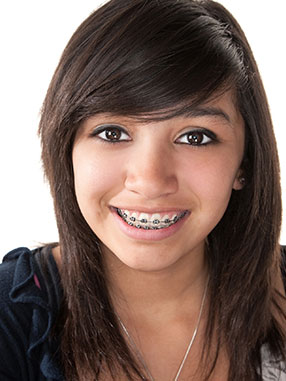
If this is your child’s first holiday season with braces, here are some tips on how to help children get the most enjoyment from these celebrations without compromising their braces or leaving them feeling left out of the festivities.

Halloween

When you think dental health, “Halloween” is not usually the first thing that comes to mind. Halloween can be tricky, but with some planning and intervention, you can make sure your child doesn’t miss out on the treats that make the holiday a favorite.

Braces present other challenges besides dealing with the scary amount of sugar in every trick-or-treat bag. Certain treats can be a challenge to clean from braces, and can even cause broken brackets and wires. How to avoid these frightful results?

  • Go through your child’s treat bag when you get home after neighborhood trick-or-treating. Anything which can damage braces, such as regular gum, candy with nuts or caramel, or hard or chewy candies should be discarded. Perhaps you and your child can choose a selection of soft candy such as plain chocolate and peanut butter cups to trade for those tricky treats. Your child’s favorite soft fruits, cupcakes, and cookies could also be safe substitutes.
  • Party time? Candy apples, bowls of candy corn, and popcorn balls are favorite treats at Halloween parties, but very bad for braces. Help your child recognize what should be avoided before attending, and suggest safe options like soft cupcakes.
  • Finally, even safe treats will leave more sugar than normal in your child’s mouth and therefore more potential for plaque build-up. Brush and floss more often, if needed, and rinse regularly with water.

Talk candy guidelines over in advance with your child. If you’d like, Dr. Nathan Downey can recommend safe alternatives. With your help, Halloween won’t be a fearsome experience for you or your trick-or-treater.

Thanksgiving

Now, this is a holiday to be thankful for! Almost all of your traditional favorites are perfect for family members with braces.

  • Appetizers: Offer soft food options such as silky cheeses and deviled eggs instead of crunchy vegetables, chips, and nuts.
  • Dinner: Turkey is a required dish on many tables, and no need to miss out! Just make sure pieces are bite-size and off the bone. Creamy mashed potatoes and gravy and jellied cranberry sauce are also braces-friendly traditions. Any cooked vegetable should be fine, but do cut the corn from the cob first. Dressing is a great side dish if your child avoids any crunchy tops and edges, as are soft, nut-free rolls and muffins.
  • Dessert: Pumpkin pie, cheesecake, and apple pie with ice cream are all safe (and delicious) choices. Leave the pecan pie, caramel sauce, and anything nutty or chewy off your child’s menu. And remember to brush and floss carefully after the feast!

If you are concerned that following the usual food guidelines might be a little more difficult during this time of year, talk to us. Dr. Nathan Downey and our team are happy to suggest ways to make your child’s first holidays with braces memorable for all the right reasons. The last thing you’ll want is an emergency visit to our Bowling Green, OH office!

Crushing the Ice-Chewing Habit

September 28th, 2018

It's a habit many people have and not only can it be annoying to the people around you, it can be detrimental to your dental health. Chewing ice is so common that it even has its own name, pagophagia. We're not talking about a slushy or shaved ice (although those artificially sugary treats should be avoided too!) but more like the hunks of ice rattling around in the bottom of your glass.

Ice chewing can be a sign of emotional problems like stress or obsessive-compulsive disorder, but it can also be a marker for iron deficiency anemia and other physical problems. Then again, some people just like to have something to chew on. For whatever reason you find yourself chewing on it, it's a habit you need to break.

Chewing on ice can cause:

  • Chipped and cracked teeth
  • Damaged enamel
  • Sore jaw muscles
  • Damage to dental work such as crowns, fillings, or other appliances

If chewing on ice is becoming a problem in your life, don’t hesitate to speak with Dr. Nathan Downey about it. But if you find yourself still wanting to chew on something, here are a few alternatives to ice:

  • Baby carrots
  • Celery sticks
  • Sugar-free (xylitol) gum

We know you need to chill sometimes, but chomping down your entire glass of ice is not the way to do it. If you have any other questions on the topic, feel free to talk with a member of our Bowling Green, OH team. It may be beneficial in solving the issue and helping to remediate any damage to your teeth.

I got my braces. Now what?

September 21st, 2018

You’ve taken the first step toward a healthier and more beautiful appearance by getting braces at Downey Orthodontics, and you’re probably wondering what comes next. The first week is the period of biggest adjustment, and there’s a lot to learn in this short time. Don’t worry; in a few short days your braces will feel completely natural.

The first week

On the first day, your braces will probably feel very odd in your mouth; it will take time to get used to them. By the second day, you may feel some soreness or pain. If you are going to experience any pain, the second and third days are when it will happen. Most pain can be dealt with by taking an over-the-counter pain reliever, such as Tylenol.

What about sore spots?

Your cheeks and tongue are getting used to your new braces, just like your teeth are. You may develop sore spots where this soft tissue rubs against the harsh metal of your braces. The best way to avoid this and allow your mouth to heal is by covering the metal spot with orthodontic wax. Break off a small piece and roll it into a ball in your hands. Dry the metal of the braces with a cotton swab, then wrap the wax around the sharp spot to create a cushion.

What if they break?

Braces are held onto your teeth with special orthodontic glue. Once in a great while, part of your appliance may come loose from the surface of a tooth. This won’t harm anything; it will just be slightly inconvenient. Call our office right away and we will be able to glue the bracket back on.

Make sure you avoid hard items such as ice, brittle, and other hard candies, and don’t open packages with your teeth. These habits can contribute to braces popping off. Even fairly innocent-sounding items like popcorn or French bread can be a culprit, so avoid eating any hard foods, or cut them up into small pieces before consuming.

If you have questions about which foods to eat and avoid, or if your braces are more sore than expected, feel free to contact our Bowling Green, OH office and ask Dr. Nathan Downey and our team. We’re more than happy to help!

What's the difference between an orthodontist and a dentist?

September 14th, 2018

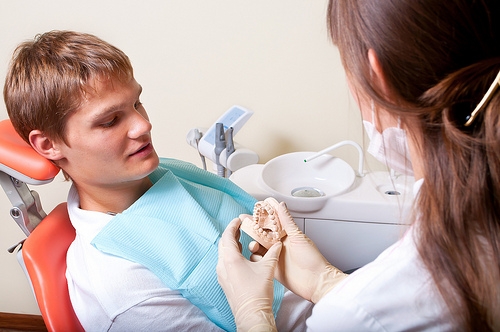
Orthodontists and dentists both help patients improve their oral health, but in different ways. Dentistry is a broad medical specialty that deals with the teeth, gum, nerves, and jaw, while orthodontics is a specialty within dentistry that focuses on correcting bites, occlusion, and the straightness of teeth. One important difference is that all orthodontists like Dr. Nathan Downey are dentists, but not all dentists are licensed orthodontists.

How are they similar?

The main similarity between a dentist and orthodontist is that they both focus on oral care. An orthodontist can work in a dental office and provide the same care as a dentist. So in this respect, they are quite similar. They are both considered doctors, and deal with the teeth and gums.

How are they different?

There are more differences than similarities. An orthodontist requires additional schooling as a dental specialty; the situation is similar to a doctor who obtains additional schooling to become a surgeon. Another difference is that orthodontists specialize in helping patients with the alignment of their teeth, improving their bite, or fitting them for corrective braces and devices. If a patient has an overbite, a dentist will refer him or her to an orthodontist.

Dentists typically encourage good oral hygiene and provide services related to:

  • Tooth decay
  • Root canals
  • Gum disease
  • Crowns
  • Bridges
  • Veneers
  • Teeth whitening

Orthodontists are dentists that specialize in the alignment of teeth, and provide services related to:

  • Misaligned teeth
  • Crowded teeth
  • Overbite
  • Underbite

What an orthodontist can help with

Orthodontists help with crooked teeth, but they assist patients with other issues as well. These include overbites and underbites, crossbites, spaces between teeth, overcrowding of teeth, and the treatment of temporomandibular disorders (TMD). Additional problems with the jaw also need to be treated by an orthodontist.

While a dentist may be trained to provide orthodontic care in addition to extractions, TMJ treatments, and fillings, trusting your smile to an orthodontist can better balance the different procedures you require.

To learn more about the difference between dentists and orthodontists, or to schedule an initial consultation with Dr. Nathan Downey, please give our team at Downey Orthodontics a call at our convenient Bowling Green, OH office.

Back To Top